
Vaping technology
How vaporization devices work

Device ecosystem
How have electronic cigarettes evolved?
Contemporary electronic vaporizers effectively replace traditional combustion through battery-powered heating mechanisms. Inside these compact chassis, integrated circuits regulate power delivery to an internal heating element. Upon activation, the system extracts liquid from a reservoir, rapidly transforming it into an inhalable aerosol. From streamlined pod designs built for portability to advanced modifications featuring adjustable wattage controls, the hardware adapts to diverse user preferences while maintaining consistent operational flow without producing ash or lingering smoke.

Compact pod systems

Advanced box mods

Disposable all-in-one devices

Mechanical tube hardware
Optimize your heating process
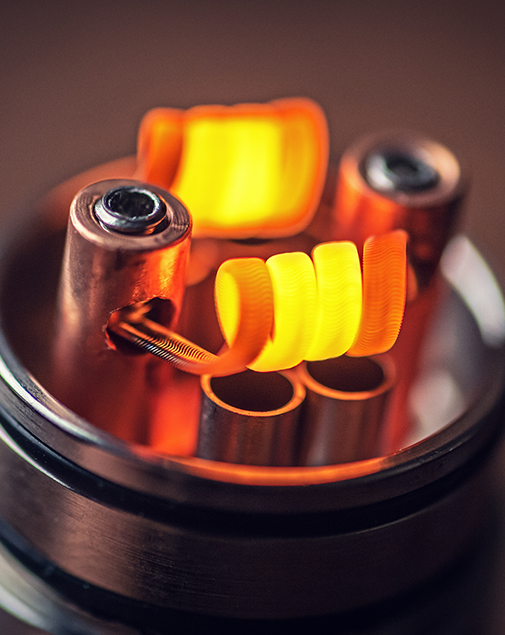
Hardware components
Equipment and accessories explained
Inside the outer casing, atomizers function as the core engine of any setup. Premium metal alloys form the resistance wires, wrapping around absorbent organic cotton wicks. As power flows from lithium-ion cells, these coils heat precisely. External accessories like adjustable airflow rings control the draw resistance, while interchangeable drip tips modify the temperature and condensation of the vapor before inhalation. Replacing worn wicks and maintaining clear tank glass ensures continuous optimal daily performance.
Inhalation methods
Different vaping techniques to master
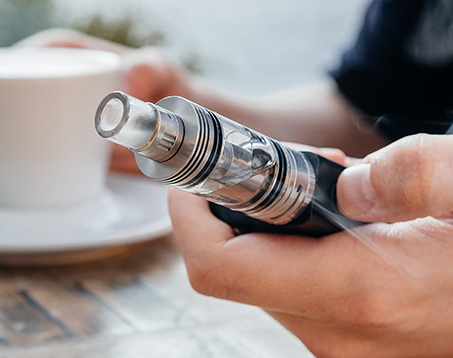
What are mouth-to-lung draws?
Replicating traditional resistance for tighter airflow control.
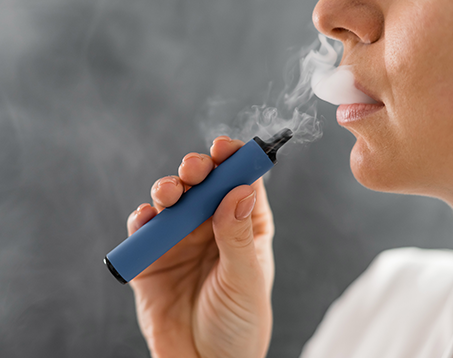
Deep Direct To Lung Inhalation
Drawing aerosol deeply into the respiratory system.
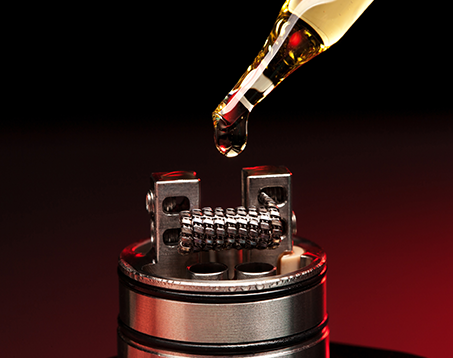
Executing Proper Coil Priming Procedures
Saturating the wicking material before initial activation.
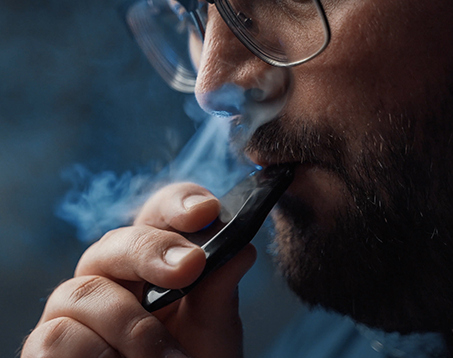
Practicing Stealth Vaping In Public
Holding vapor longer to minimize visible exhales.
Understanding health implications of aerosols
Transitioning from burning tobacco eliminates carbon monoxide and tar production. However, inhaling heated aerosols introduces different chemical compounds into the respiratory tract. Ongoing scientific monitoring evaluates the long-term biological impact of airborne micro-particles on lung tissue and overall cardiovascular function.
E-liquid composition
E-liquid base ingredients decoded
Formulated in cleanroom environments, vaporization fluids consist of a precise ratio of pharmaceutical-grade carriers, carefully suspended aromatic compounds, and varying concentrations of active alkaloids.
The blending process demands specific attention to viscosity. Thicker solutions generate denser clouds, whereas thinner fluid mixtures absorb quickly into the wicking material, preventing dry hits during rapid successive usage.
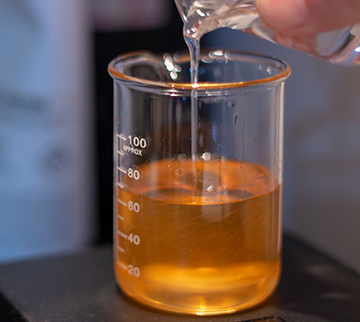
Vegetable glycerin produces vapor
This thick organic liquid generates dense visible clouds while adding slight inherent sweetness.

Propylene glycol as flavor carrier
A thinner synthetic solvent responsible for delivering stronger throat hit and carrying aromatics.

Nicotine salts versus freebase options
Alkaloid variations determine the absorption rate, dictating whether the sensation feels smooth or harsh.